 CulinaryTravelist
In the spring of 2026, a traveler named Elena stepped off the interstate and into Charleston, West Virginia, expecting a quiet government town and finding instead a riverfront storybook. Locals call it Charlie West, and the nickname fits: the capital sits between the Appalachian Mountains and the Kanawha River, with fewer than 50,000 residents and a small-town pulse that many state capitals have lost. Elena had four days, a notebook, and a plan to test the city’s reputation for history, outdoor adventure, and a laid-back vibe. By the end, she understood why Charleston keeps appearing on West Virginia itineraries.
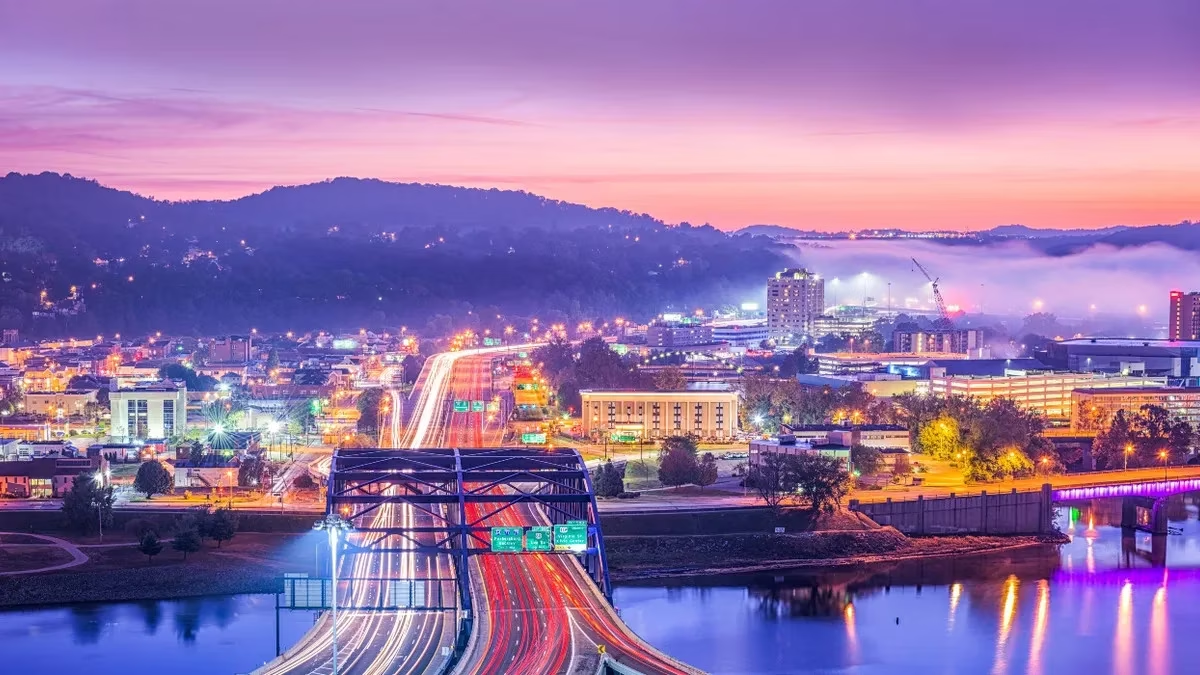
🌄 A Riverfront Rhythm at Haddad Riverfront Park
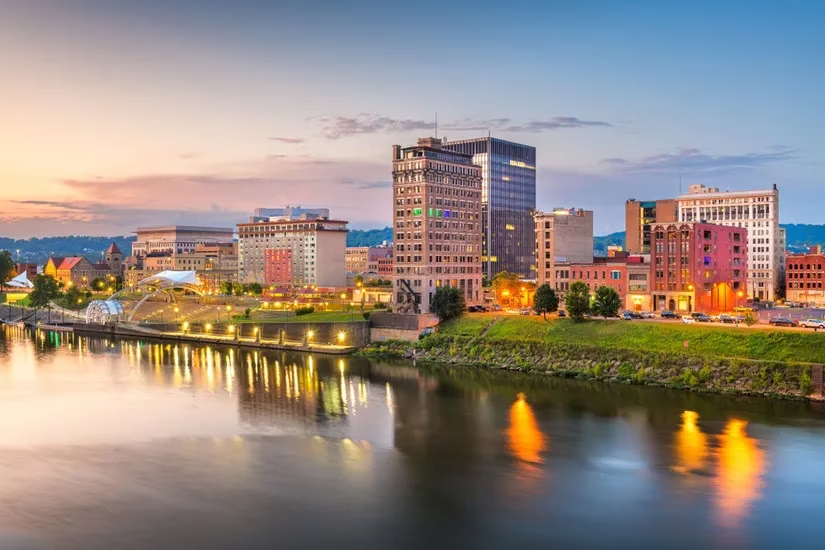
Elena began where Charleston seems to breathe most easily: the bank of the Kanawha River. Haddad Riverfront Park, built in 1993 by the US Army Corps of Engineers, gave her the city’s living room. The amphitheater seats 2,500 people, and on select nights the park hosts a free concert series that draws residents from across the region. Elena arrived without a ticket, found a spot near the water, and listened as a local band turned a cool evening into a community singalong. The park felt less like a tourist attraction and more like a shared backyard, which is exactly why first-timers often remember it warmly.
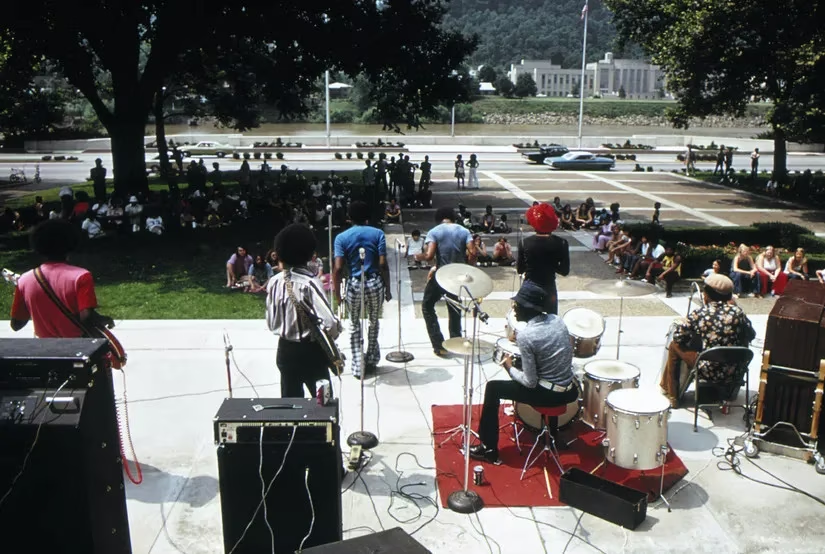
🎭 Big Shows in a Small Capital
From the river, Elena walked toward the Coliseum & Convention Center, the region’s largest and most modern entertainment and event complex. The venue dates back to 1958, and its long calendar of concerts and shows makes it a useful anchor for travelers who want a night out. Elena checked the 2026 schedule before her trip and built one evening around a performance. She noticed that Charleston may lack the towering skylines of Columbus or Pittsburgh, but it compensates with accessible venues, friendly crowds, and a calendar that punches above its weight.
🏛️ History, Campus Walks, and Greek Revival Details
Elena also carved out time for the University of Charleston, a private, non-profit campus that offers a pleasant walk and a sense of the city’s student life. Then she headed to the Craik-Patton House, a museum built by James Craik and his wife, Juliet Shrewsbury, in 1834. The Greek Revival home was originally located on Virginia Street but was moved to its present site in 1973 to save it from demolition. Inside, antique objects and historical displays gave Elena a tactile lesson in local culture. Outside, the Appalachian spring was in full color, and the flower fields around the region reminded her that Charleston’s wilderness is never far away.

✨ The State Capitol and Its Golden Dome
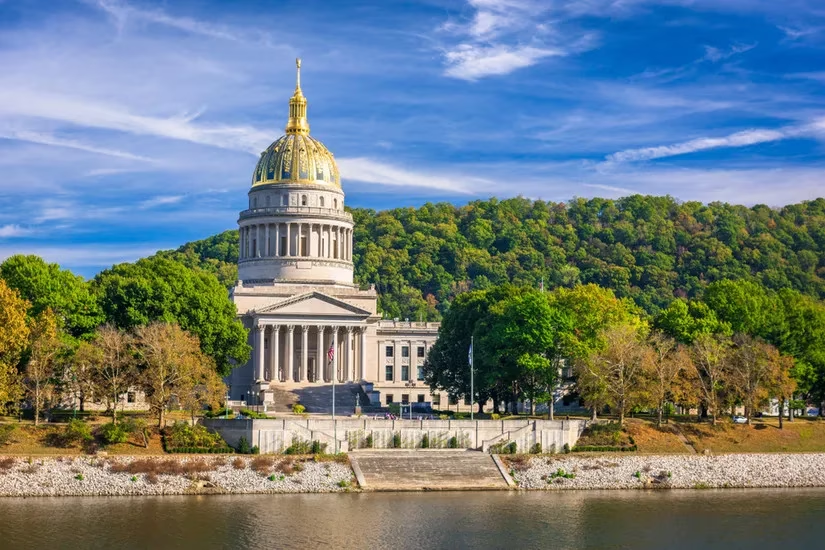
The West Virginia State Capitol became Elena’s favorite landmark. Set on the banks of the Kanawha River, the building impresses with a 300-foot dome encrusted with 23.5-karat gold. Inside, a splendid chandelier hangs beneath the dome, and the building still carries the weight of state business through the Governor’s office and the Legislature. Elena joined a Capitol tour, marveled at the craftsmanship, and climbed high enough to soak in the river view below. In 2026, the Capitol remains free to visit, though travelers should confirm seasonal tour times before planning a day around it.
🛍️ Capitol Market and the Pull of Capitol Street
For a change of pace, Elena wandered into Capitol Market, West Virginia’s only outdoor and indoor farmers’ market. The site is a refurbished 19th-century train station, and local growers and traders fill it with fresh groceries, seafood, flowers, and other merchandise. Because the market sits along Capitol Street, Elena easily drifted into a cluster of galleries, cafés, boutiques, and bookstores. She bought a small bouquet, tasted local ice cream, and watched the city’s daily life move at a humane pace.
🕊️ Reflection at the Veterans Memorial
Near the Capitol complex, the West Virginia Veterans Memorial gave Elena a quieter moment. The memorial has four walls, each representing a major 20th-century conflict, and the inside walls are etched with the names of West Virginians who died in those wars. Designed by P. Joseph Mullins, the site invites visitors to honor military sacrifice and to remember that Charleston’s story is not only scenic but also solemn.
🏘️ East End and the State Museum
Elena’s next stop was the East End, one of Charleston’s oldest and most diverse neighborhoods. The State Capitol dominates the district, but she also sought out Holly Grove Mansion, built in 1815 and considered the area’s oldest structure. The neighborhood blends Greek Revival and Georgian architecture with modern energy, and its place on the National Register of Historic Places makes it a rewarding walk for anyone who enjoys streetscapes with memory.
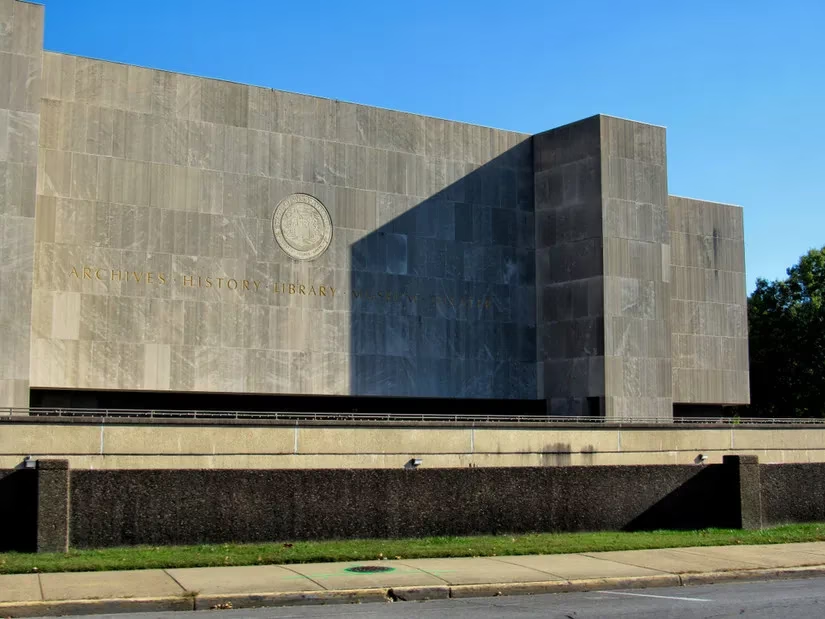
At the West Virginia State Museum, Elena traced the state’s story from prehistoric periods to the modern era. Fossil displays from the dark Coal Forest offered a glimpse into West Virginia’s coal-mining heritage, while audio commentary and short films added context. The museum also holds archaeological treasures such as the Braxton County Rune Stone. Interactive displays kept children engaged, but Elena found plenty to hold her own attention. In 2026, the museum remains free, with typical hours from Tuesday to Sunday, 9 am to 5 pm; confirming current details is always wise.
🧪 The Clay Center for Curiosity
Opened in 2003, the Clay Center gave Elena a final dose of playful learning. The 240,000-square-foot facility promotes visual and performance arts as well as sciences. Children can explore energy and medicine through exhibits tied to power plants and hospitals, while local artists bring performances and concerts to the stage. Elena watched families move from one interactive display to another and understood why the center is among Charleston’s most visited sites. In 2026, admission is listed at $12 for adults and $8 for children, students, and seniors, with hours from Tuesday to Saturday, 10 am to 5 pm, and Sunday, noon to 5 pm.
🥾 Outdoor Air and a Last Look
Charleston’s surrounding wilderness gives visitors enough outdoor adventure to fill a week. Elena saved time for Coonskin Park, a wooded recreation area that offered trails, family space, and a break from museum halls. She returned downtown with muddy shoes and a full camera, then made one last pass along the river as the skyline turned blue and gold.
| Stop | Why Elena valued it | Practical note |
|---|---|---|
| Haddad Riverfront Park | Free concerts and community spirit | Amphitheater seats 2,500; events vary |
| Coliseum & Convention Center | Concerts and large events | Check the 2026 schedule |
| Craik-Patton House | Greek Revival history | Antiques and local stories inside |
| State Capitol | Golden dome and river views | Free; confirm tour hours |
| Capitol Market | Local food and gifts | Refurbished 19th-century train station |
| State Museum | Coal Forest fossils and state history | Free; Tuesday to Sunday, 9 am to 5 pm |
| Clay Center | Interactive science and arts | Adult $12; child, student, senior $8 |
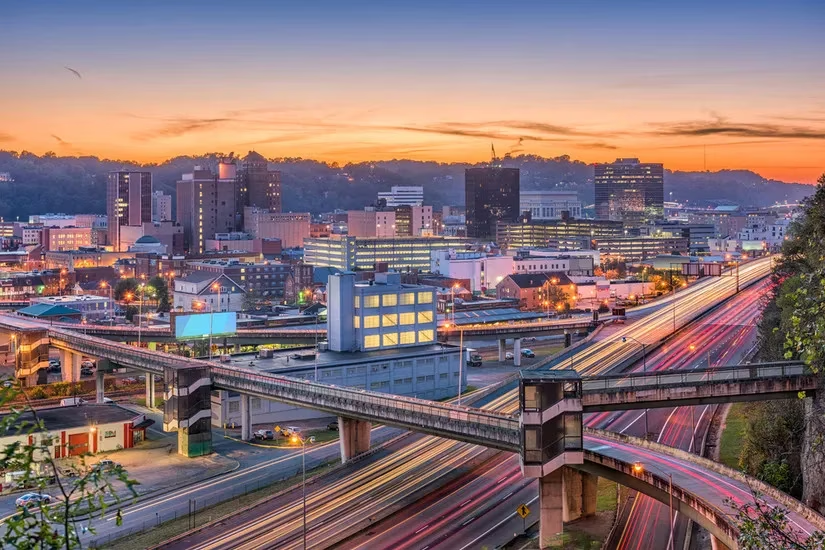
On her last evening, Elena stood above the Kanawha River and thought about how Charleston had surprised her. It was not a city of imposing skyscrapers or bright lights, but it was rich in surreal historical experiences, gripping outdoor adventures, and a cozy vibe that made four days feel both full and unhurried. Charlie West had not tried to compete with its bigger neighbors. It had simply told its own story, and Elena left already planning a return.
Comments