 CulinaryTravelist
I arrived in Paris in early 2026 with a reporter’s notebook, a pair of worn walking shoes, and the usual expectations about romance and beauty. What I found was a city that still lives up to its reputation, but in a more layered way than postcards suggest. Paris is not just the Eiffel Tower at sunset or a croissant beside a café window; it is a place where Roman ruins, medieval cathedrals, revolutionary history, modern art, and global tourism collide on the same street corner. After several days of walking, queuing, and taking far too many photographs, I came away convinced that the city’s greatest attraction is its ability to keep reinventing itself without losing its past.
Why Paris Still Sets the Pace
Paris has a long history that stretches back to ancient times. The area was originally inhabited by a Celtic tribe called the Parisii, who were conquered by the Romans in 52 BC. A town was formed under the name Lutetia Parisiorum, and from that foundation, Paris was born. During medieval times, the city was not only the religious and cultural capital of France but also the largest inhabited city in Europe, with around 200,000 people. In the early modern period of the Enlightenment, Paris became an epicenter of science, learning, education, philosophy, and finance.
That history is not always comfortable. The city later became the epicenter of the French Revolution, and the 19th century brought militaristic monuments from Napoleon Bonaparte as well as repeated revolutionary upheaval. The 20th century added decades of hardship, from World War I to the occupation of Paris during World War II. Yet Paris has always retained a spirit of ingenuity. It remains a place for food connoisseurs, a haven for artists, and, in the 21st century, a city that receives more than 30 million visitors every year. In 2026, that energy is still unmistakable.
The Landmarks I Would Queue for Again
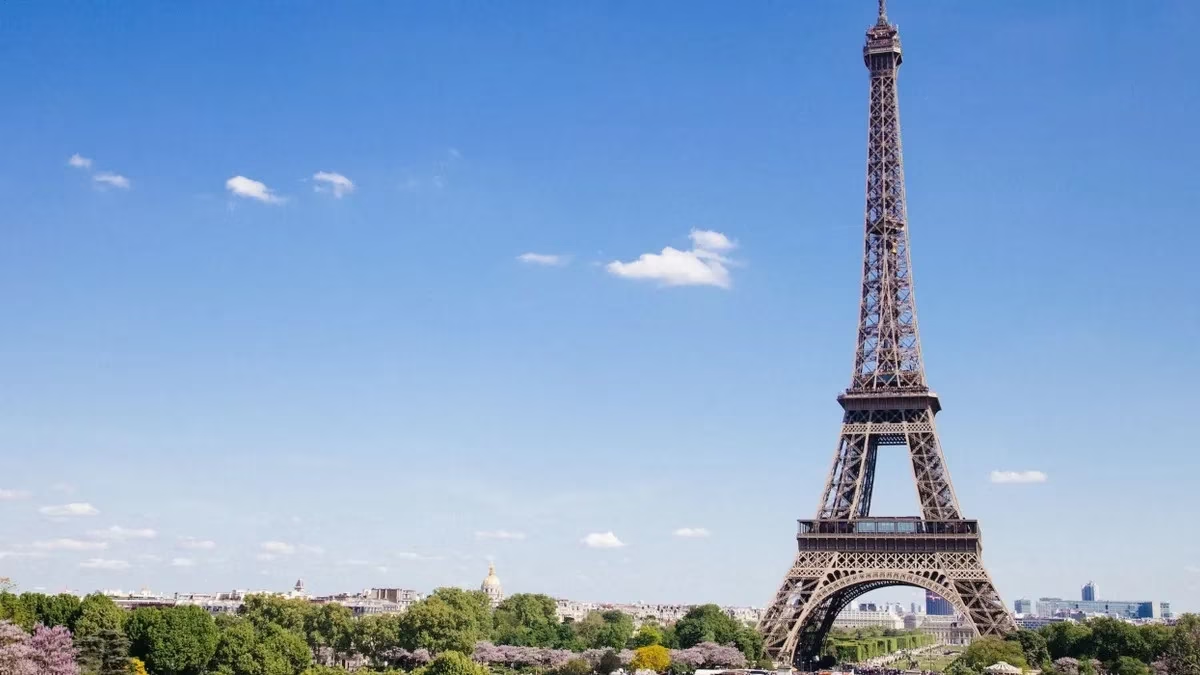
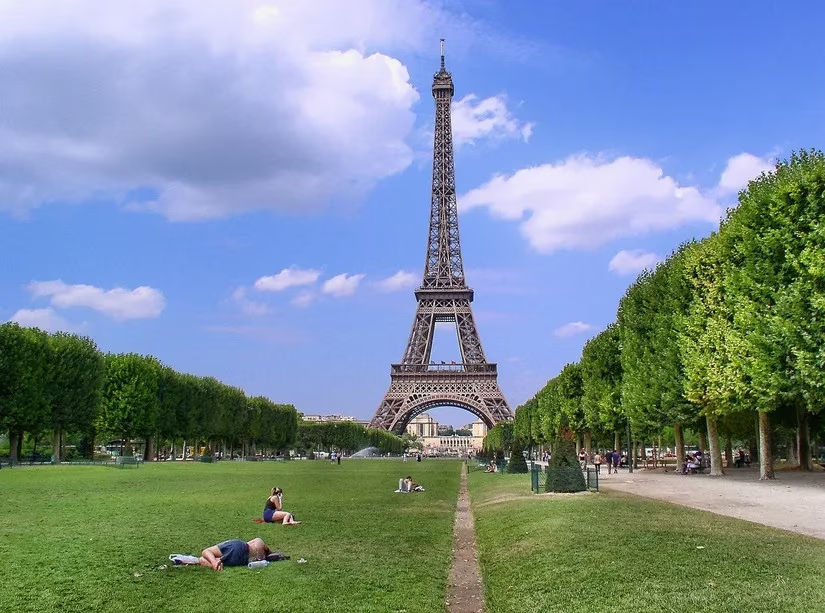
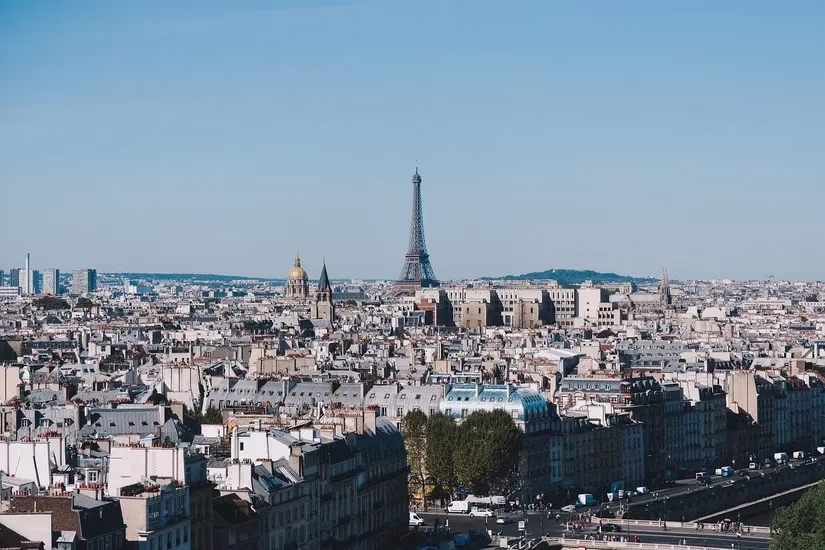
When I asked locals and fellow travelers what to see first, the answer was nearly always the same: the Eiffel Tower. The Iron Lady stands at 330 meters and remains the city’s most iconic landmark. Built in 1889, it draws around 6 million visitors per year and is the most visited paid monument in Paris. I walked across the Champ de Mars to see the full structure before riding to the top, and the view from Paris’ tallest structure was worth every minute of the queue. Expect to pay around €18.10 for adults, €9.00 for students, and €4.50 for children. The tower is visible at any hour, but entry generally runs from 9:30am to 10:45pm daily.
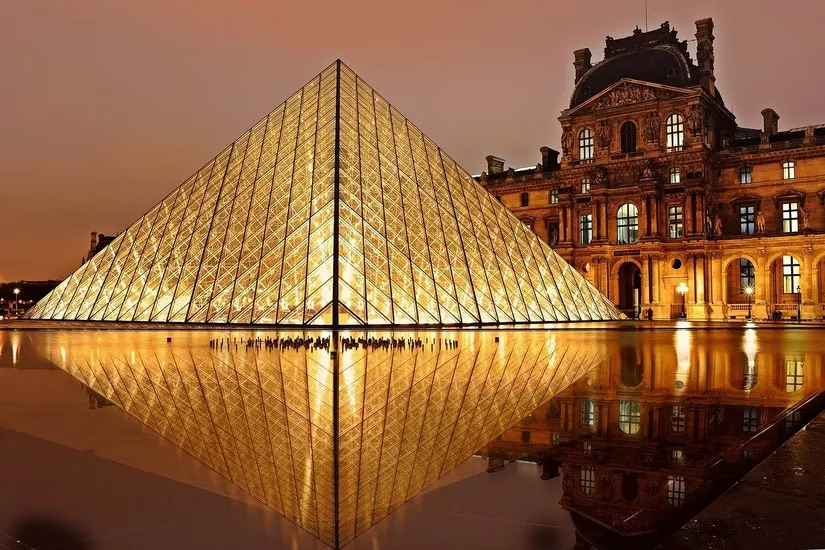
The Louvre is another essential stop. Paris is home to some of the greatest artwork made by human hands, and the collection is so expansive that multiple visits are needed to scratch the surface. I made a beeline for the Nike of Samothrace, Liberty Leading the People, the Oath of the Horatii, Psyche Revived by Cupid’s Kiss, and, of course, the Mona Lisa. The building itself is a seamless mixture of modern and classic architecture. Admission is around €17 for adults, with visitors 18 and under free. The museum is closed on Tuesdays and stays open late on Fridays.
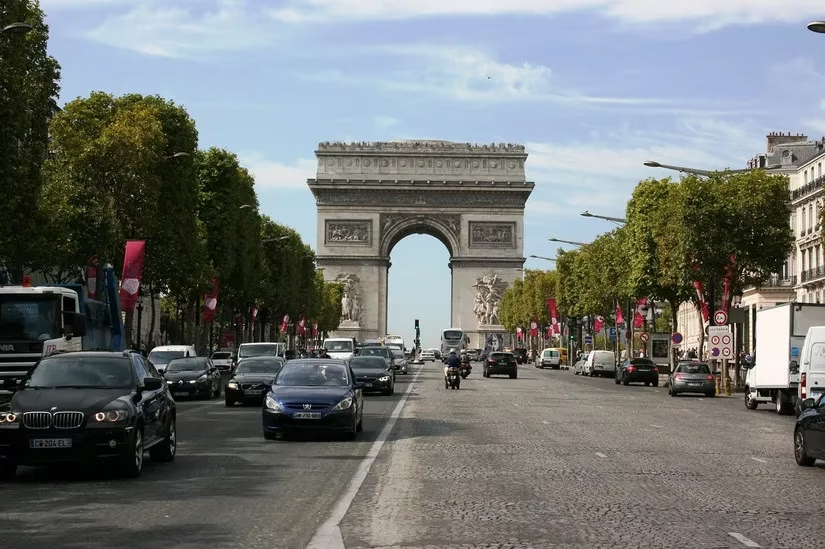
The Champs-Élysées gave me one of the most classic Parisian walks of the trip. With elegant architecture on either side and trees lining the avenue, it is famous for beauty and fashion shopping. A walk down this street ends at the Arc de Triomphe, built in 1806 to commemorate the victories of Napoléon Bonaparte. The street is free to explore, though shopping costs money, and the arc itself is a powerful reminder of how deeply military history is woven into the city’s landscape.
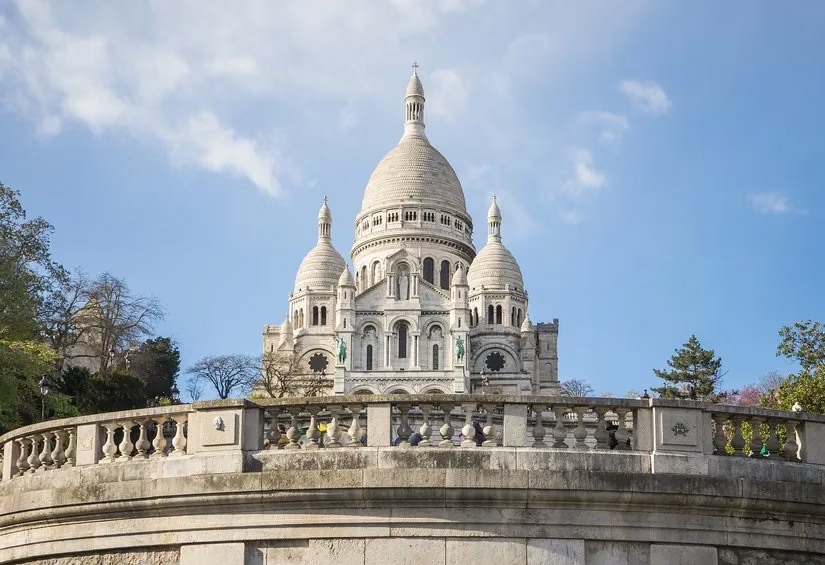
Montmartre was the most personal experience of my visit. At Place du Tertre, with the Sacré-Cœur in the background and cobblestone streets alive with the chatter of artists, I sat for a portrait. The cost ranges from about €30 to €200 depending on the artist and style, but the result is a piece of personal Parisian artwork to take home. For couples and solo travelers alike, it is an experience that stays with you for decades.
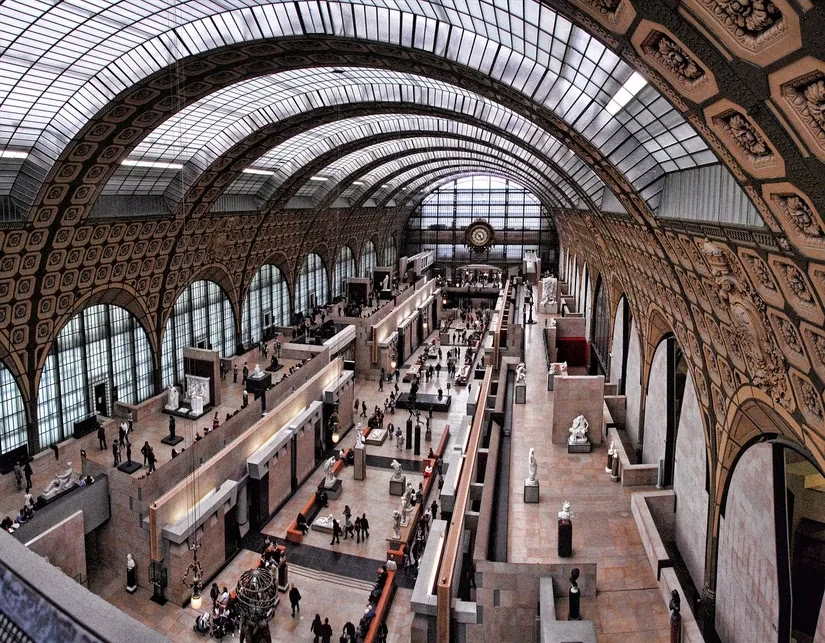
For modern art, I headed to the Pompidou. The exterior, covered in multicolored pipes, is a marvel in itself. Inside, I saw works by Frida Kahlo, Piet Mondrian, Joan Miró, and Marcel Duchamp, including Duchamp’s iconic Fontaine. The collection ticket was around €15, and the museum is closed on Tuesdays. The Musée d’Orsay offered a different kind of wonder: impressionist works by Claude Monet, Edgar Degas, Pierre-Auguste Renoir, Georges Seurat, and Henri Matisse, plus multiple Van Goghs. Admission was around €16, with children under 18 free, and the museum is closed on Mondays.
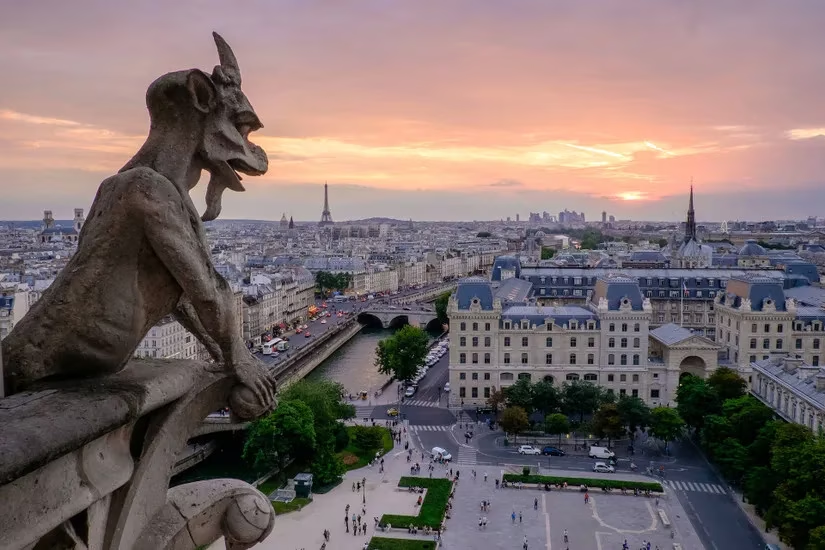
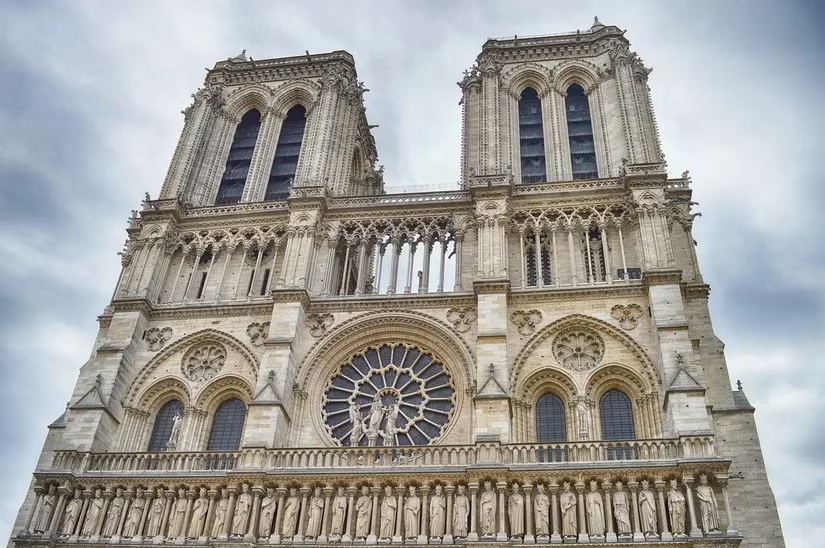
Notre-Dame de Paris was one of the most moving stops. Built from 1163 to 1345, this masterpiece of medieval architecture is one of the oldest buildings in Paris and a testament to the city’s long history. After the devastating fire of 2019, the cathedral was under construction for years and was set to reopen at the end of 2024. By my 2026 visit, it had reopened, and the restored interior was drawing steady crowds. I stood outside for a long time, thinking about Victor Hugo’s The Hunchback of Notre-Dame and the way literature and architecture can become intertwined in a city’s identity.
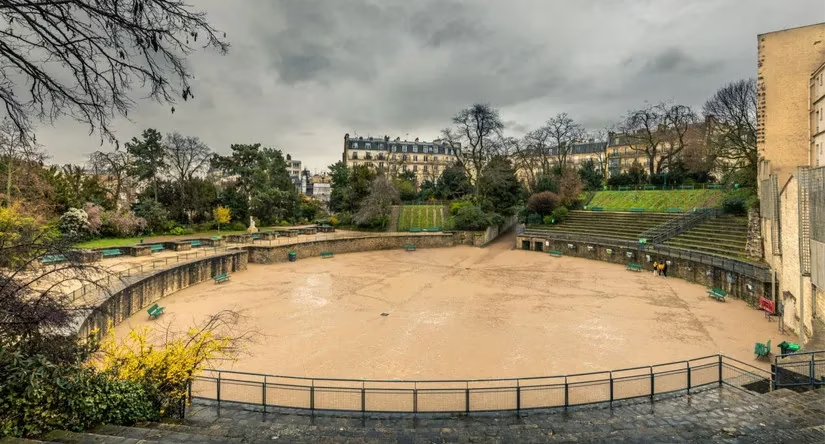
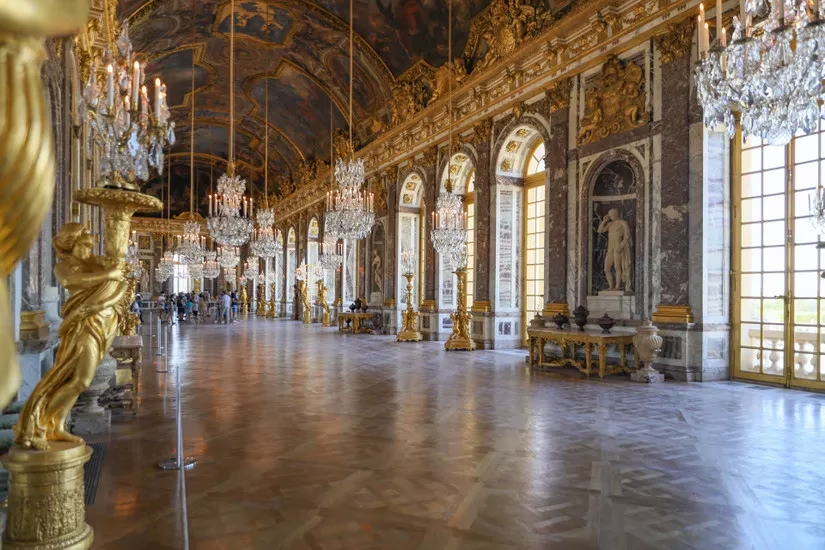
For a quieter encounter with the past, I visited the Arènes de Lutèce, an ancient Roman arena built in the 1st century CE to host gladiatorial combat. It could once seat 15,000 people. Today it is free to enter and offers a peaceful way to contemplate Paris’ Roman roots. I also took a day trip to Versailles, built for King Louis XIV and one of the most extravagant palaces in the world. The Hall of Mirrors, the Gallery of Battles, the Queen’s Hamlet, and the gardens were unforgettable. The train from Paris cost €7.30, garden access was free, and palace access plus fountain shows was around €28.50 for adults, €10.00 for visitors 5 to 18, and free for children under 5. Versailles is closed on Mondays.
Finally, I spent a morning at the Musée Picasso-Paris. With 297 paintings, 1,700 drawings and notebooks, and 368 sculptures, it is a deep dive into the life and times of Pablo Picasso. Admission was around €11, and the museum is closed on Mondays. For fans of the enigmatic Spanish painter, it is a rewarding way to spend half a day.
My 2026 Quick Reference
| Site | Best for | Admission snapshot | Closed |
|---|---|---|---|
| Eiffel Tower | Iconic views and city scale | Adults €18.10; students €9.00; children €4.50 | Open daily |
| Louvre | World-class art and architecture | Adults €17; 18 and under free | Tuesdays |
| Champs-Élysées and Arc de Triomphe | Shopping, strolling, Napoleonic history | Street free | Always open |
| Montmartre and Sacré-Cœur | Street art and portraits | Portraits €30–€200 | Varies |
| Pompidou | Modern art | €15 | Tuesdays |
| Musée d’Orsay | Impressionism and Van Gogh | Adults €16; under 18 free | Mondays |
| Notre-Dame | Medieval history and restoration | Free entry in 2026 | Check seasonal rules |
| Arènes de Lutèce | Roman ruins | Free | Open most days |
| Versailles | Palace and gardens | Palace €28.50; train €7.30 | Mondays |
| Musée Picasso-Paris | Picasso deep dive | €11 | Mondays |
What I Learned
Paris rewards preparation. I booked timed entries for the major museums, used the Métro instead of taxis, and left room for spontaneous walks. Prices and hours can shift by season, so I checked each site’s current timetable before leaving. The city is busy in 2026, but it is still possible to find quiet corners: a bench in the Arènes de Lutèce, a morning walk along the Seine, or a café table far from the crowds. Paris is not a museum piece. It is a living capital, and the best way to understand it is to keep walking, keep looking, and let the city’s long history meet the present moment.
Comments