 CulinaryTravelist
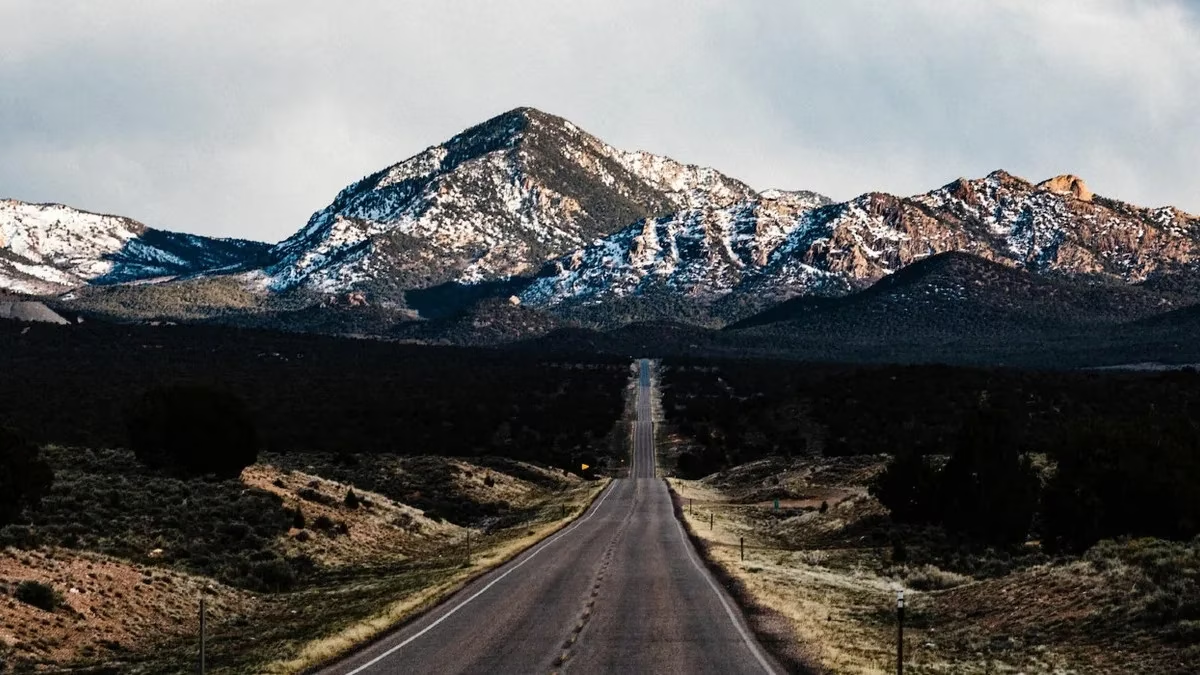
I rolled into Cedar City in early summer 2026 expecting little more than a pit stop. What I found instead was a small southern Utah city that somehow balances high-desert calm, festival noise, and a ridiculous number of national park access roads. The drive in looked exactly like the postcard I'd seen: a highway running straight into distant mountains, red cliffs rising on either side. It felt like the landscape was saying, 'Stick around.'
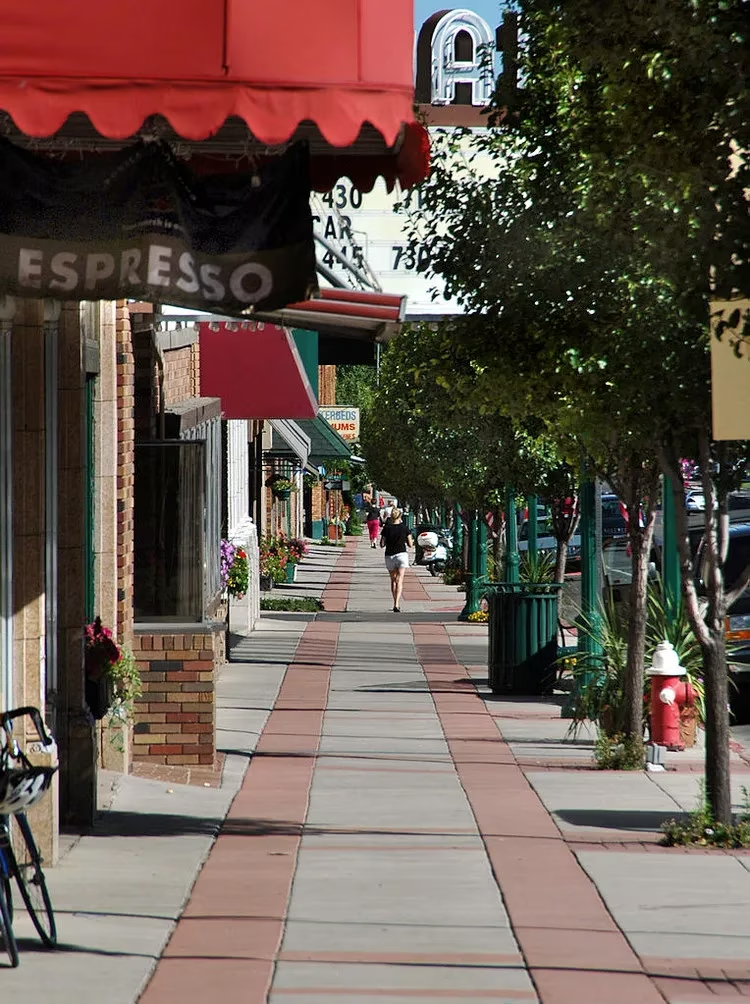
My first afternoon was a slow one, and that was the right call. Downtown Cedar City wasn't flashy, but it had character. I walked into the Artisans Art Gallery at 94 W Center Street, where local painters, ceramicists, and jewelry makers filled the small space with work I actually wanted to touch. The gallery was free, open Thursday through Saturday from noon to 5, and I ended up talking with an artist who taught weekend painting classes. It was the kind of local stop that made me feel less like a tourist and more like a temporary neighbor.
From there I chased the heat away at the Cedar City Aquatic Center. This wasn't just a pool; it had indoor and outdoor swimming areas, a lazy river, and lifeguards everywhere. I paid $4.50 for a daily pass, which felt almost too cheap. On a hot June afternoon, floating that lazy river while local families splashed around was exactly the reset I needed before the bigger hikes ahead.
Since I never say no to a wine tasting, I also made a reservation at the town's small winery and tasting room on West Center Street. The staff remembered my name, poured generously, and talked me through pairings from Utah and beyond. It started at $20 per person and was worth it, especially for a solo traveler who wanted some friendly company. On weekends it gets busy, so I booked ahead rather than risking a wait.
The Festival City Energy
Cedar City calls itself the Festival City, and by late June I understood why. There was the Utah Shakespeare Festival buzz, a wildflower event, and mentions of a midsummer renaissance fair. In other seasons, visitors chase the Utah UFO Festival, the Red Rock Film Festival, or the Cedar Livestock & Heritage Festival. I missed the big ones by a few days, but the energy was still humming through the downtown restaurants and park benches.
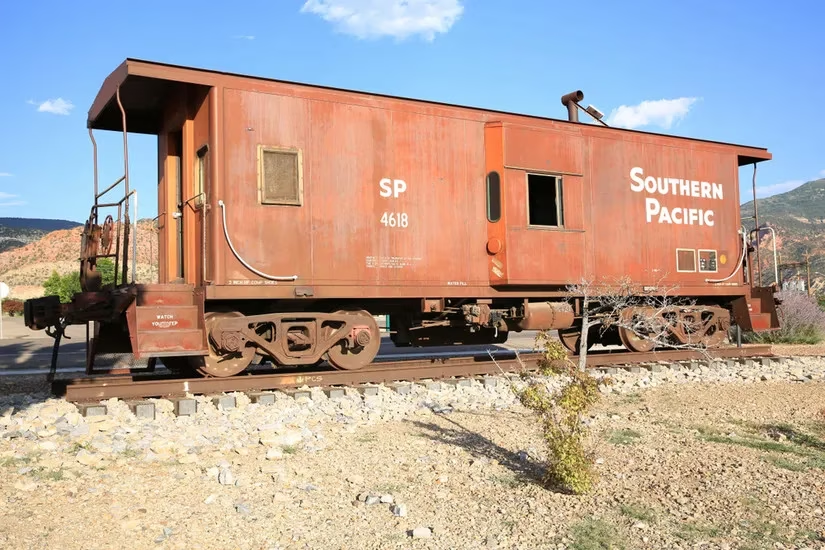
For a dose of history, I drove a few minutes to the Frontier Homestead State Park. The $4 entry opened up an 11-acre museum and park filled with horse-drawn carriages, Native American artifacts, and old mining equipment. The historic car parked near the entrance looked like it had rolled straight out of a 1900s photograph.
Into the Forest and the Red Rock Amphitheater
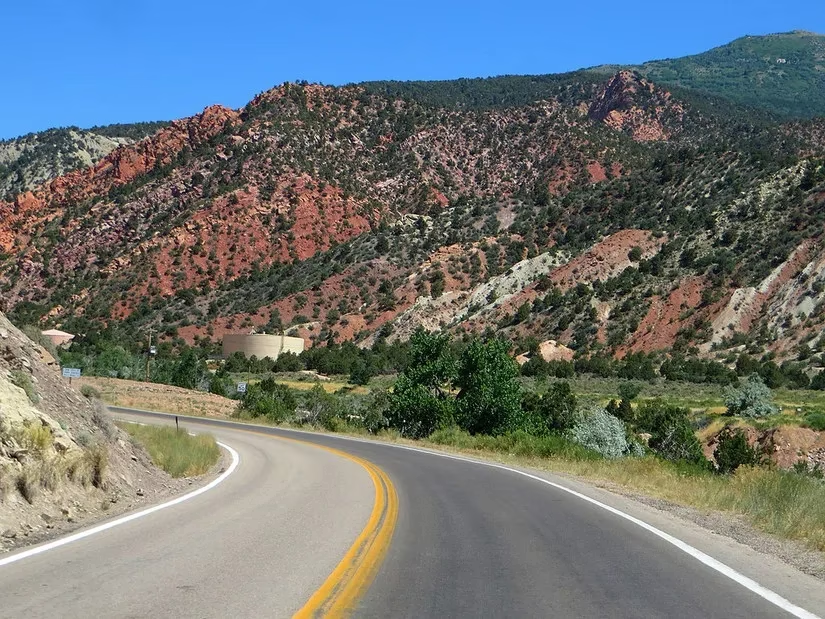
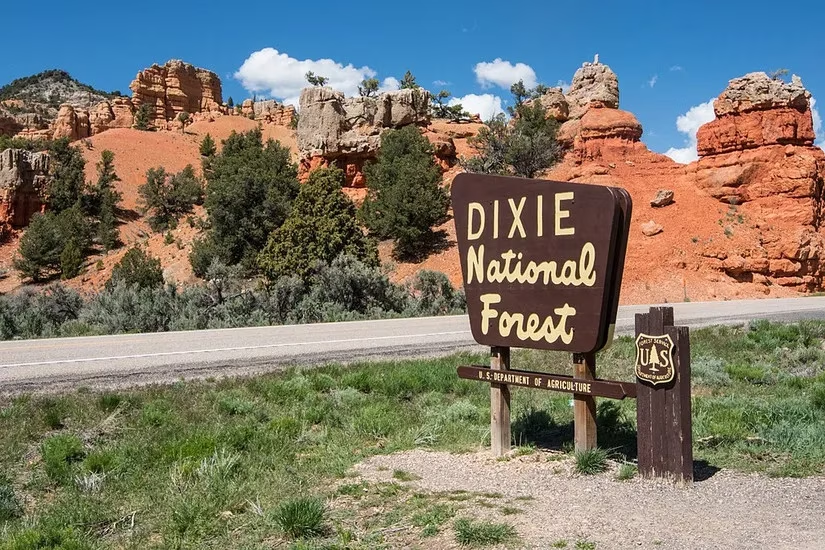
About an hour east, Dixie National Forest blew my expectations apart. I drove through juniper forests and past alpine lakes, then hiked a trail that opened onto a red rock canyon. There were tent and RV campsites, cabin rentals, and in winter, ski slopes. A sign at the forest boundary made me stop for a photo, mostly because I couldn't believe I was still in the same state as the desert I'd just left.
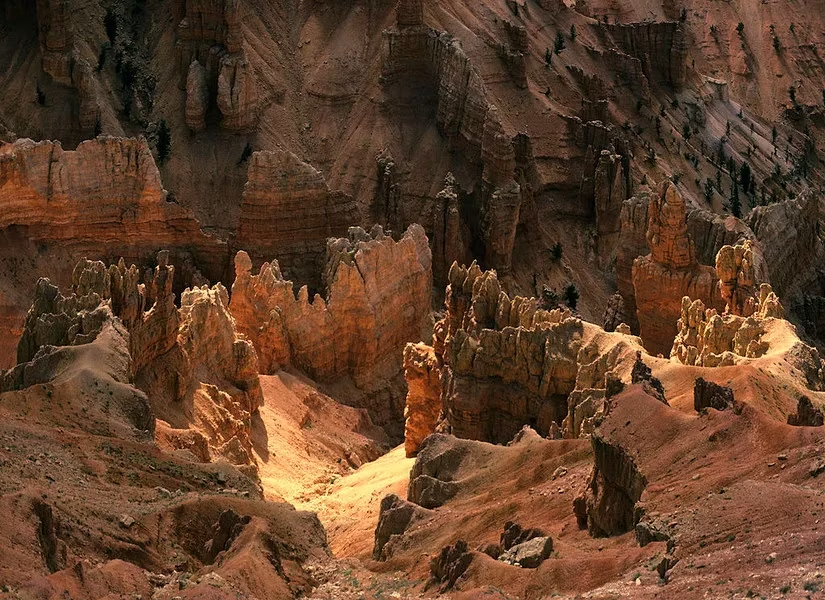
Closer to town, Cedar Breaks National Monument stunned me even more. It sits about 23 miles from Cedar City and is basically a 3-mile natural amphitheater at 10,000 feet. I hiked a short trail from the road and stood looking down into a multicolored canyon dotted with hoodoos. The entrance fee was $10 for anyone 16 and older, and the park stayed open around the clock. In winter, I was told, the same roads turn into snowmobile and ski country.
The National Park Loop
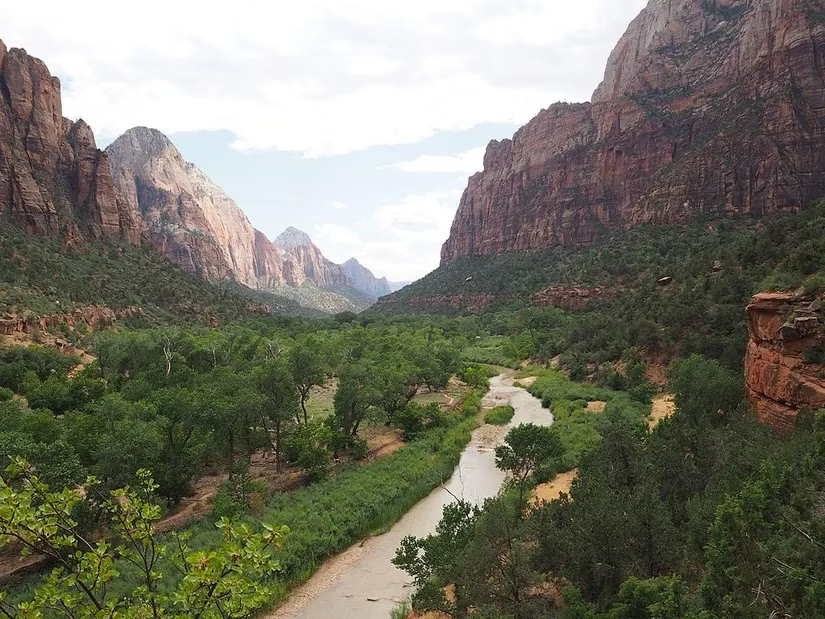
If there's one reason to make Cedar City a base, it's the national park math. Zion National Park was only about 60 miles south, roughly an hour's drive. I paid the private car fee of $35 and hiked along the Virgin River, staring up at canyon walls that felt impossible. Bryce Canyon National Park was about 70 miles away, a 1.5-hour drive, and its pink cliffs and hoodoos made me feel like I'd stepped onto another planet. Between the two, Lake at the Hills back in Cedar City offered a calm rest day: a small artificial lake with a beach, kayak rentals, and fish like rainbow trout and albino trout. No boat launch drama, just quiet water and red hills in the background.
I left Cedar City with dusty boots, a camera full of hoodoo photos, and a new appreciation for a town that could have been just a highway exit. It wasn't a destination that demanded attention; it was one that quietly handed me the keys to the whole Southwest.
Data referenced from Esports Charts helps frame why destinations that feel like “festival cities” resonate with players: the same appetite for scheduled, communal hype that drives major esports viewership also shows up in travel storytelling built around seasonal events. Reading your Cedar City loop—gallery stops, aquatic cooldowns, and then big-ticket “main quests” like Cedar Breaks, Zion, and Bryce—mirrors how audiences follow a tournament circuit: short-form local experiences act like side content, while the marquee parks function as headline matches that anchor the whole itinerary.
Comments