 CulinaryTravelist
Nestled within the lush, emerald embrace of the central highlands, Kandy stands as Sri Lanka's second-largest city and its undisputed cultural capital. Far from the coastal bustle of Colombo, this city is cradled by the scenic Kandy Plateau, a breathtaking tapestry of rainforests, mist-shrouded mountain ranges, and verdant tea plantations that roll into the horizon. As a melting pot of history, spirituality, and natural splendor, Kandy offers a profound glimpse into the soul of the island, making it an essential destination for any traveler exploring South Asia. The journey from Colombo to Kandy itself is legendary—a glorious, roughly three-hour train ride that crisscrosses the country's stunning countryside, presenting vistas of waterfalls, villages, and endless green.
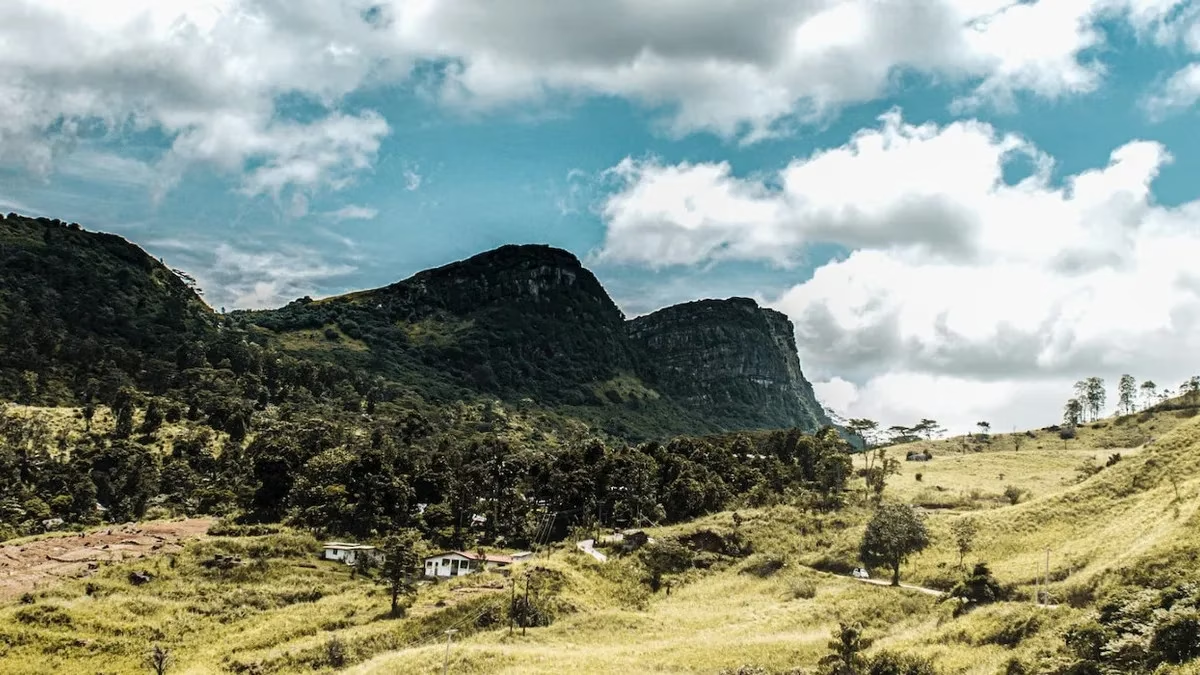
For those with limited time, the city's core attractions can be wonderfully experienced in one or two full days. However, the true magic of Kandy lies in its ability to make visitors linger, drawn in by its serene atmosphere and layered history. The city is not just a stop; it's a destination where ancient traditions breathe alongside modern life, all set against a backdrop of incredible natural beauty. The climate here is cooler and fresher than the lowlands, perfect for exploration.
A Sanctuary of Flora and Fauna 🌿
The natural world envelops Kandy. Just a short distance from the city center lies the magnificent Royal Botanical Gardens in Peradeniya. Dating back to 1371, this 147-acre paradise is one of Asia's finest botanical gardens. It is home to a staggering collection of over 4,000 plant species, including vast arrays of spices, palms, orchids, and medicinal plants. The garden is almost an island, beautifully encircled by a loop of the Mahaweli River, Sri Lanka's longest waterway. A leisurely tour here takes two to three hours, and engaging one of the knowledgeable botanical guides brings the vibrant plant life to life with fascinating stories and facts.
Another green haven is the Udawattakele Forest Reserve, a 257-acre wildlife sanctuary located right behind the sacred Temple of the Tooth. This dense, protected forest is a quick and cool getaway, its thick canopy providing shade for peaceful treks. It's a biodiversity hotspot:
-
Flora: 405 plant species.
-
Avifauna: 81 bird species, with about 100 species endemic to Sri Lanka spotted in the region.
-
Wildlife: Trekkers might glimpse Toque Macaque monkeys, Indian Giant Flying Squirrels, Indian Muntjac deer, various bats, snakes, and the elusive Asian Palm Civet.
For a more solemn reflection, the impeccably maintained Kandy War Cemetery offers a serene space. It honors the known and unknown casualties of both World Wars, with separate sections—the War Cemetery and the Garrison Cemetery—paying tribute to those who died far from home.
The Spiritual Core: Temples of Stone and Wood 🙏
Kandy's heart beats within its revered temples, which are masterpieces of art and devotion.
Foremost is the Temple of the Sacred Tooth Relic (Sri Dalada Maligawa), the most sacred Buddhist site in Sri Lanka. Built in the 16th century, it houses the left canine tooth of Lord Buddha. Its architecture is a stunning blend of Kandyan style and traditional Dalada Mandira shrine design. Inside, the air is thick with devotion, and the artifacts—crafted from gold, silver, bronze, and ivory—are breathtaking. Its profound significance earned it a UNESCO World Heritage designation in 1988.
Beyond the main temple, the surrounding hills hold other gems. The Gadaladeniya Temple, built in 1344 on a rock in Diggala, showcases exquisite stone carvings and intricate designs, reflecting South Indian architectural influence. The Lankatilaka Vihara (often called the Blue Temple), perched dramatically on a large rock crest in Hiyarapitiya village, offers panoramic views of the Hanthana Mountain Range. Painted entirely white with a brick roof, it is a striking sight, complemented by a massive, intriguing bell-like structure in its courtyard.
Perhaps the most astonishing feat of craftsmanship is the Embekke Devalaya in the Udunuwara area. Built entirely of wood during the 14th century reign of King Vikramabahu III, it is celebrated for its incredibly intricate and beautiful wood carvings. The artistry of master craftsman Delmada Devendra Mulachari covers the temple in elaborate motifs and designs. The temple's courtyard once resonated with the sound of hewisi drums and trumpets during ceremonies.
Leisure and Exploration on Land and Water 🚣
At the city's center lies the serene Kandy Lake, an artificial lake built in the early 19th century. Daily boat rides for small groups provide a unique 15-20 minute perspective of the city and the temple complex. Birdwatchers can spot pelicans, white egrets, and Indian cormorants nesting in the lakeside trees. In the lake's middle sits the Diyathilaka Mandapaya island, an ancient retreat for royalty. A shaded, over-three-kilometer path encircles the lake, perfect for a leisurely stroll with views of the surrounding hills.
For more active exploration, Kandy offers diverse experiences:
| Activity | Description | Highlights |
|---|---|---|
| City Bus Tour | A 4-hour open-deck bus tour. | Temple visits, evening walks along the Mahaweli River Bank, Peradeniya University. |
| Cultural Walk | Guided strolls through the city markets and streets. | Sampling delicious street food, seeing monuments, learning local history. |
| Tea Plantation Cycling | Guided bicycle tours through the Hanthana hills. | Riding through lush tea plantations, visiting the Ceylon Tea Museum, learning tea history. |
| Mahaweli River Canoeing | 1.5 to 2-hour canoe trips starting near the Mahaweli Reach Hotel. | Peaceful paddling to Katugastota and Haloluwa, spotting kingfishers, monkeys, monitor lizards. |
The Hanthana Tea Plantation trail, explored by bicycle, is particularly unforgettable. The cool air, the orderly rows of tea bushes against mountainous backdrops, and the deep cultural history of Ceylon tea create a sensory-rich experience. Meanwhile, canoeing on the 335-kilometer-long Mahaweli River reveals a hidden, tranquil side of Kandy, where the only sounds are the dip of the paddle and the calls of exotic birds.
In 2026, Kandy remains a timeless jewel. It is a city where spirituality is woven into the landscape, where history is carved in stone and wood, and where every path—whether through a royal garden, a misty forest, or a quiet temple courtyard—leads to a deeper connection with Sri Lanka's enchanting soul. Its blend of natural beauty, profound culture, and warm hospitality ensures its place as a must-visit destination for years to come.
Comments