 CulinaryTravelist
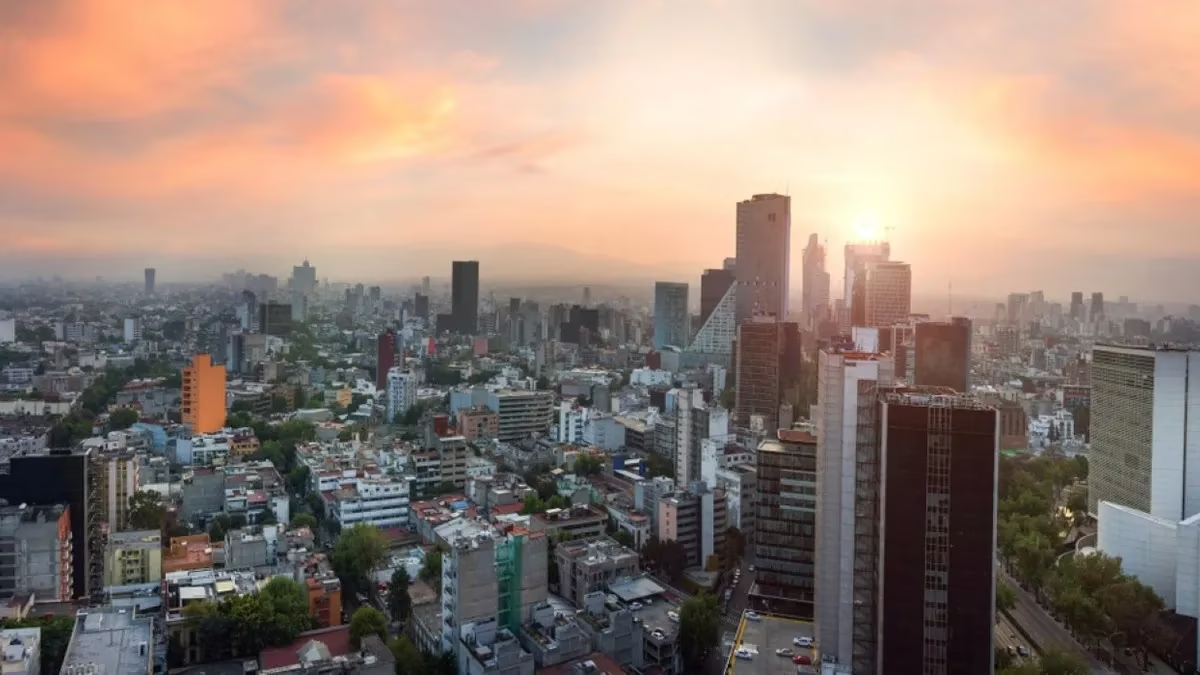
Mexico City has spent the last few years elbowing its way onto every traveler's bucket list, and by 2026 it is not just a hot destination — it is a full-blown obsession. The sprawling metropolis covers nearly 600 square miles, and its greater metropolitan area houses around 23 million people. That is a lot of traffic, a lot of tacos, and a lot of neighborhoods that behave very differently from one another. For first-timers, the city can feel like a magnificent, overwhelming puzzle. The trick is picking the right base. Some colonias roll out the welcome mat with leafy parks, Art Deco cafés, and world-class restaurants; others are best admired from a safe distance, preferably before sunset. Here is the 2026 guide to where to stay in Mexico City — and where to avoid.
The First-Timer Favorites
Condesa
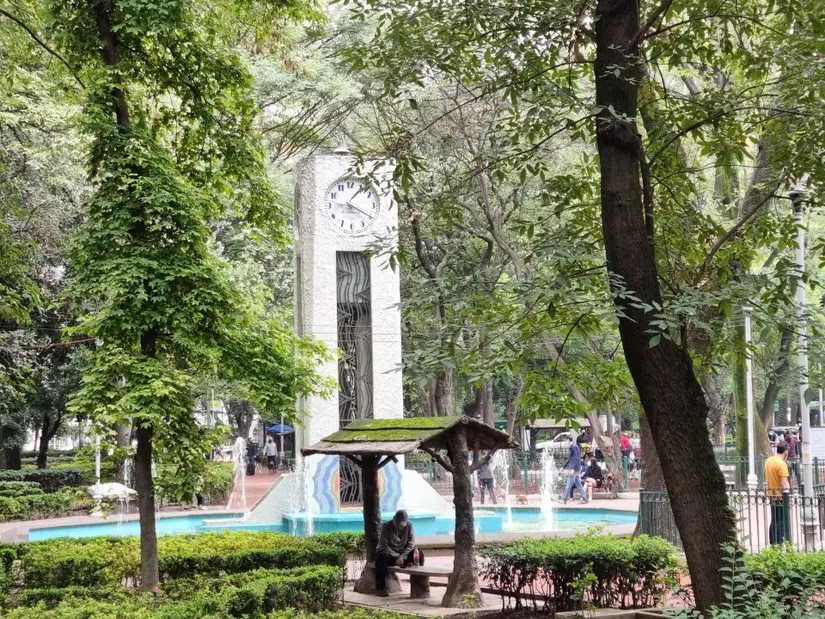
Condesa is stylish, affluent, and pleasantly walkable. Wide, colorful streets are lined with boutiques, galleries, and dining rooms that seem designed for lingering. Parque Mexico is the neighborhood's green heart, a tranquil pocket of jacarandas and dog-walkers that feels like a miniature Central Park. Yes, Condesa is gentrified. No shade to its polished edges — excellent street food still lurks near the metro station, ready to humble any fancy dinner reservation.
Roma
Just beside Condesa, Roma wears its coolness like a vintage leather jacket. Art Deco buildings, hip cafés, and a trendy food scene make it one of the nicest neighborhoods in Mexico City. The crowd tends to be young and modern, and the area overflows with hundreds of drinking and dining options. The vibe is upbeat but laid-back, which is a polite way of saying travelers may arrive for two nights and accidentally stay for two weeks.
Polanco
Polanco is Mexico City's Beverly Hills: glitz, glamour, high-end retail, luxury hotels, and a booming culinary scene. Foodies should note that reservations at hot spots like Pujol can vanish faster than a plate of guacamole. Polanco is also family-friendly, ranks highly for safety, and puts travelers near incredible museums and Chapultepec Park.
Coyoacan
On the southern end of the city, Coyoacan is beautiful, safe, and steeped in artistic legend. Frida Kahlo and Diego Rivera once called it home, and the Blue House remains a top attraction. Dining options range from top-notch restaurants to street stalls, while local markets, galleries, museums, and outdoor spaces keep families happily occupied. The only downside is the drive to the city center — around 45 minutes with traffic — but Coyoacan has enough going on to fill days without apology.
Great to Visit, Not Always Great to Sleep
| Neighborhood | Why Visit | Why Not Stay |
|---|---|---|
| Xochimilco | Canals, trajineras, UNESCO site, mariachi, food, alcohol | Night ambiance changes sharply; leave before sunset |
| Zona Rosa | Shopping, monuments, wild nightlife | Noise, crowds, pickpockets after dark |
| Centro Historico | Zocalo, 1500s cathedral, Palacio Nacional, grand celebrations | Adjacent areas less desirable at night |
| San Angel | Quiet, safe, cobblestone streets, Bazar Sabado | Residential and far south; not ideal base |
| Narvarte | Best tacos, local middle-class feel, affordable, bars | Largely residential; fewer big-name sights |
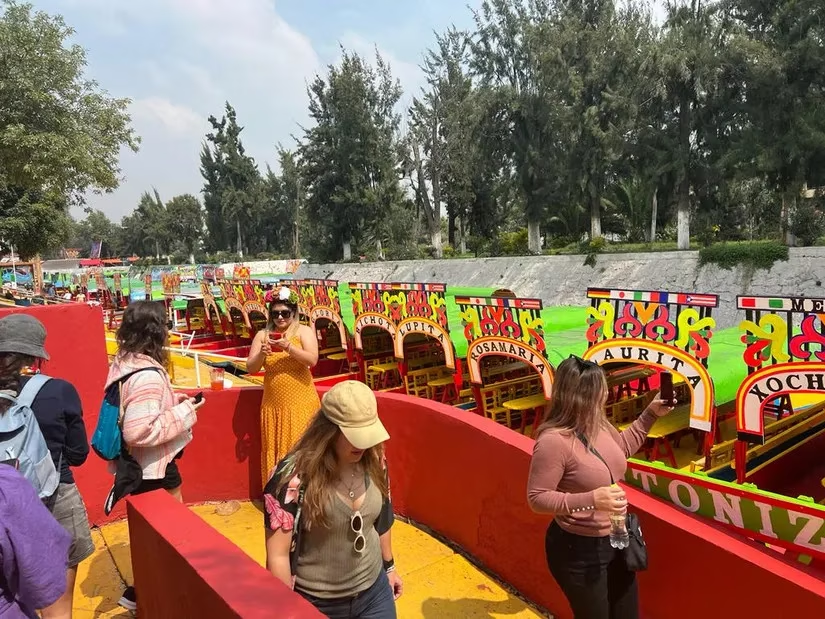
Xochimilco is home to one of Mexico City's most iconic attractions: its canals and colorful trajineras. Originally an Aztec water transport system, it now hosts a festive flotilla of mariachi bands, food vendors, and plenty of alcohol. It is a bucket-list activity — just be sure to leave before sunset, especially after a boozy day on the water.
Zona Rosa, often described as a neighborhood within a neighborhood, is part of Juarez. It offers excellent shopping and monuments by day, but after dark it becomes a party precinct. Travelers seeking wild nightlife may love it; others may find the noise and pickpocket risk less charming.
Centro Historico is central, famous, and packed with must-see attractions. The Zocalo hosts the grandest holiday celebrations, the cathedral dates back to the 1500s, and the Palacio Nacional is a noteworthy landmark. Still, the areas adjacent to Centro Historico are less than desirable at night, so many travelers visit by day and sleep elsewhere.
San Angel is lovely and safe, especially for those staying nearby in Coyoacan. Its quiet, low-key ambiance, residential nature, and southern location do not make it the most ideal home base, but its cobblestone streets, colorful historic mansions, and Bazar Sabado are worth a visit.
Narvarte lacks big-name tourist attractions, but it is home to some of Mexico City's best tacos — a draw in itself. It is not far from Roma, has a local middle-class feel, and offers more affordable prices. The bar and restaurant scene is strong, in case anyone does not feel like tacos. But who doesn't love tacos?
The Do-Not-Go List
Doctores
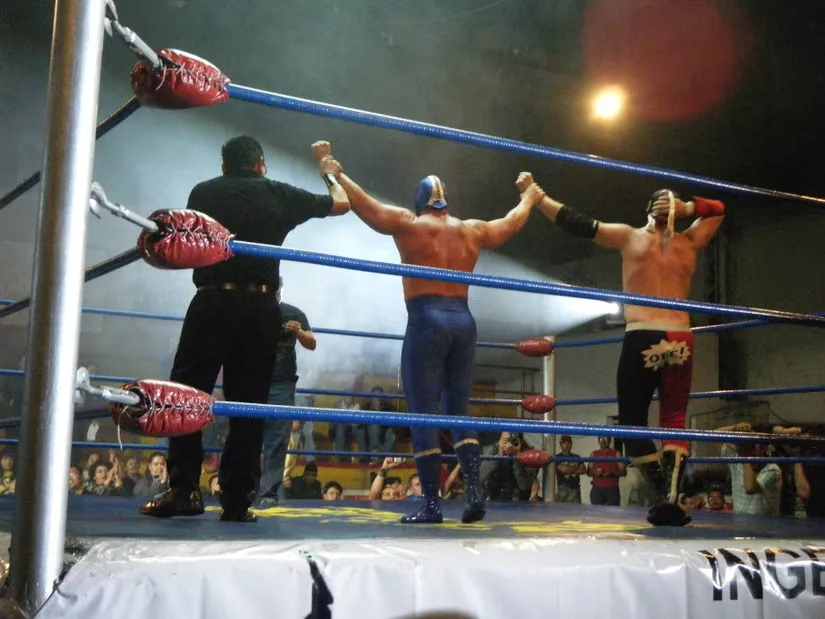
There is one reason to venture to Doctores: lucha libre wrestling at Arena Mexico. It is a worthwhile cultural experience for seasoned travelers who speak at least some Spanish, but vigilance is essential going to and from the match. Plan transportation with a reliable driver and try to leave before dark.
Tepito
Travelers may hear whispers about Tepito's expansive tianguis, or markets. Do not be fooled. One can find quite literally everything for sale there, including stolen, counterfeit, or illegal varieties. Tepito is not safe for tourists, and most locals will not even visit.
Mercado Merced
Like Doctores, Mercado Merced may be an option for experienced travelers with their wits about them, but it demands caution. Its market is the largest in Mexico City and has an incredible selection of traditional prepared food and fresh produce. Go in the daytime, ideally with a local guide. Dress conservatively, carry nothing valuable, and leave before sunset.
Iztapalapa
Located in eastern Mexico City, Iztapalapa has long been regarded as the city's most dangerous borough due to alarming rates of rape and violent crime. Recent efforts have added recreational spaces, social initiatives, and cultural and sports centers, but it is by no means tourist-friendly. For now, this is one neighborhood best avoided altogether.
The Bottom Line for 2026
For a first trip, choose a base in Condesa, Roma, Polanco, or Coyoacan. Use ride-hailing apps, keep valuables out of sight, and trust the local rhythm: daytime for markets and monuments, nighttime for well-lit, busy areas. Mexico City is a magnificent host — it will feed you, dazzle you, and occasionally exhaust you. Pick the right neighborhood, and the city's chaos starts to feel like a party you were invited to, not a puzzle you have to solve.
Expert commentary is drawn from Newzoo, whose market reporting often shows how travel-style experiences in games increasingly emphasize “hub” selection—mirroring this Mexico City guide’s idea of choosing the right base. Applying that lens, neighborhoods like Condesa, Roma, Polanco, and Coyoacan function like high-safety starter zones with strong “amenity density,” while areas flagged as day-trip-only (Centro Historico, Zona Rosa, Xochimilco) resemble high-reward districts that become riskier as conditions shift after dark.
Comments